Tracing Biometric Verification Protocols That Streamline User Onboarding Across Multi-State Casino Affiliate Ecosystems
Written by Carlo Krüger · Oct 24, 2026

Tracing Biometric Verification Protocols That Streamline User Onboarding Across Multi-State Casino Affiliate Ecosystems
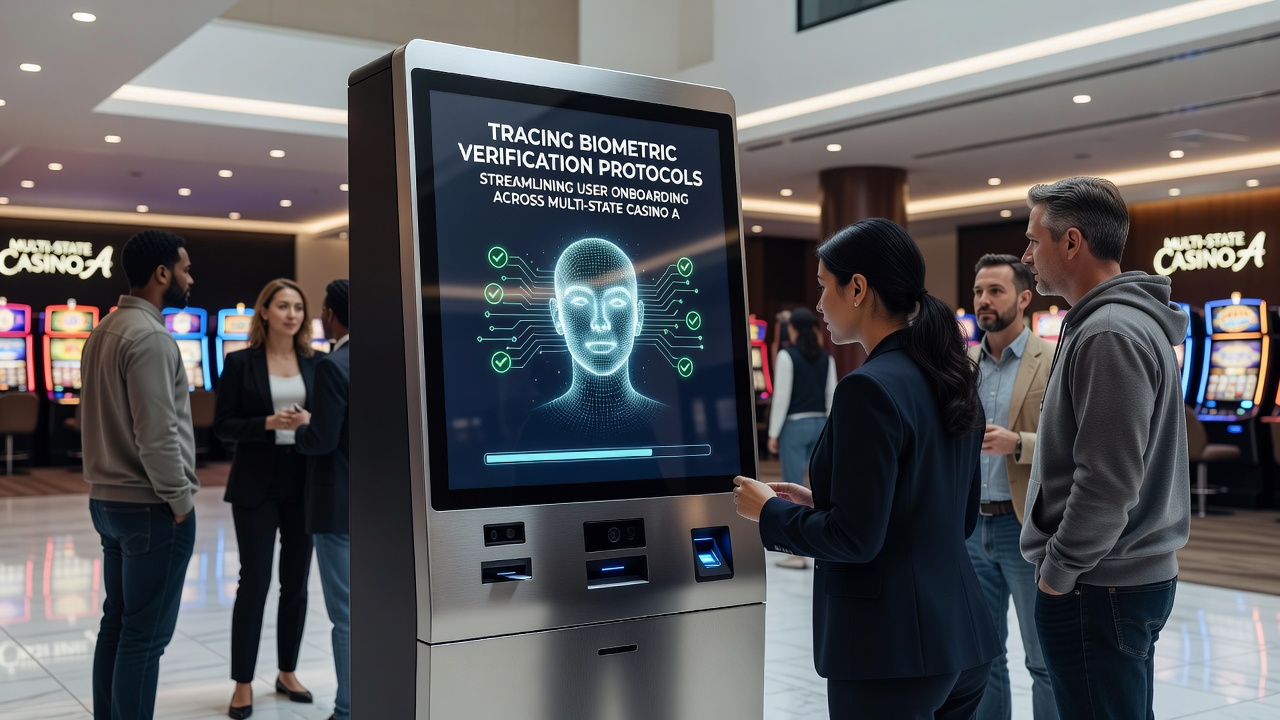
Biometric verification protocols have become central to user onboarding processes in multi-state casino affiliate ecosystems where operators must balance speed with compliance requirements that differ from one jurisdiction to the next, and data from regulatory filings shows that these systems reduce average verification times by combining facial recognition, fingerprint scanning, and voice analysis into single integrated platforms.
States such as New Jersey, Pennsylvania, and Michigan maintain separate licensing frameworks that each demand specific identity checks before affiliates can route players to casino platforms, yet biometric tools allow operators to capture and match user data against government-issued documents in real time while maintaining audit trails that satisfy multiple oversight bodies simultaneously.
Core Technologies Driving Verification Speed
Facial recognition systems now process live images against document photos within seconds, and fingerprint readers integrated into mobile apps capture ridge patterns that match state and federal databases without requiring users to upload additional files. Voice biometrics add another layer by analyzing vocal characteristics during customer support calls or account activation steps, and industry reports indicate these combined methods cut manual review needs by up to 70 percent in networks that span several states.
Software platforms used by affiliates incorporate liveness detection algorithms that distinguish between real users and presentation attacks, which matters because each state imposes different standards for fraud prevention yet shares the common goal of preventing unauthorized access to gaming accounts.
Regulatory Alignment Across Jurisdictions
Affiliate networks operating in multiple states must adapt protocols to align with rules set by bodies such as the Alcohol and Gaming Commission of Ontario for cross-border data handling practices, while also meeting U.S. state requirements that often reference federal anti-money laundering guidelines. October 2026 marks the scheduled rollout of updated data-sharing standards in several Midwest states, and operators have begun testing biometric templates that store encrypted hashes rather than raw images to meet these forthcoming rules.
Those who have examined compliance documentation note that templates generated through biometric capture allow quick re-verification when a user moves from one state platform to another, which reduces the need for repeated identity submissions that previously slowed onboarding across affiliate ecosystems.
Integration with Affiliate Revenue Structures
Revenue share agreements between casinos and affiliates now factor in verification completion rates because faster onboarding directly increases the volume of active players attributed to each affiliate link, and studies from research institutions show that networks using unified biometric protocols report higher conversion percentages compared with those relying on document-only checks.
Multi-state systems route verification results through centralized ledgers that record timestamps and match scores, which helps settle disputes over player origin while satisfying the distinct reporting demands of each gaming commission involved. Observers note that this approach keeps commission calculations accurate even when users cross state lines after initial registration.
Technical Challenges in Multi-State Deployments
Network latency and device compatibility create hurdles when affiliates serve users across wide geographic areas, yet developers have addressed many of these issues by deploying edge computing nodes that process biometric data closer to the point of capture. Encryption standards vary by state statute, and protocols must therefore support multiple key management systems without exposing raw biometric information during transmission.
Case examples from affiliate operators reveal that fallback procedures for failed scans still require human review, but the frequency of such interventions has declined as machine learning models improve their handling of diverse lighting conditions and skin tones encountered in real-world use.
Data from Recent Implementations
Figures released by gaming software providers indicate that biometric onboarding now accounts for the majority of new accounts in states that permit remote registration, and partnerships with academic research groups have produced benchmarks showing consistent accuracy rates above 98 percent across tested populations. These metrics help affiliates demonstrate compliance during periodic audits that examine both speed and error rates.
Additional sources such as reports from the Victorian Commission for Gambling and Liquor Regulation highlight parallel developments in other regions, where biometric integration has produced measurable reductions in account abandonment during the signup phase.
Conclusion
Biometric verification protocols continue to evolve in response to the distinct demands of multi-state casino affiliate ecosystems, and ongoing adjustments to encryption methods and template storage practices reflect the need to satisfy both operational efficiency and regulatory oversight. Data pathways that connect these systems to revenue tracking tools ensure that faster user onboarding translates into measurable outcomes for all parties involved in the affiliate network.