The Interplay of Real-Time Fraud Detection Mechanisms With Business Model Adaptations in Licensed Gambling Affiliate Programs
Written by Erik Zimmermann · Oct 10, 2026
The Interplay of Real-Time Fraud Detection Mechanisms With Business Model Adaptations in Licensed Gambling Affiliate Programs
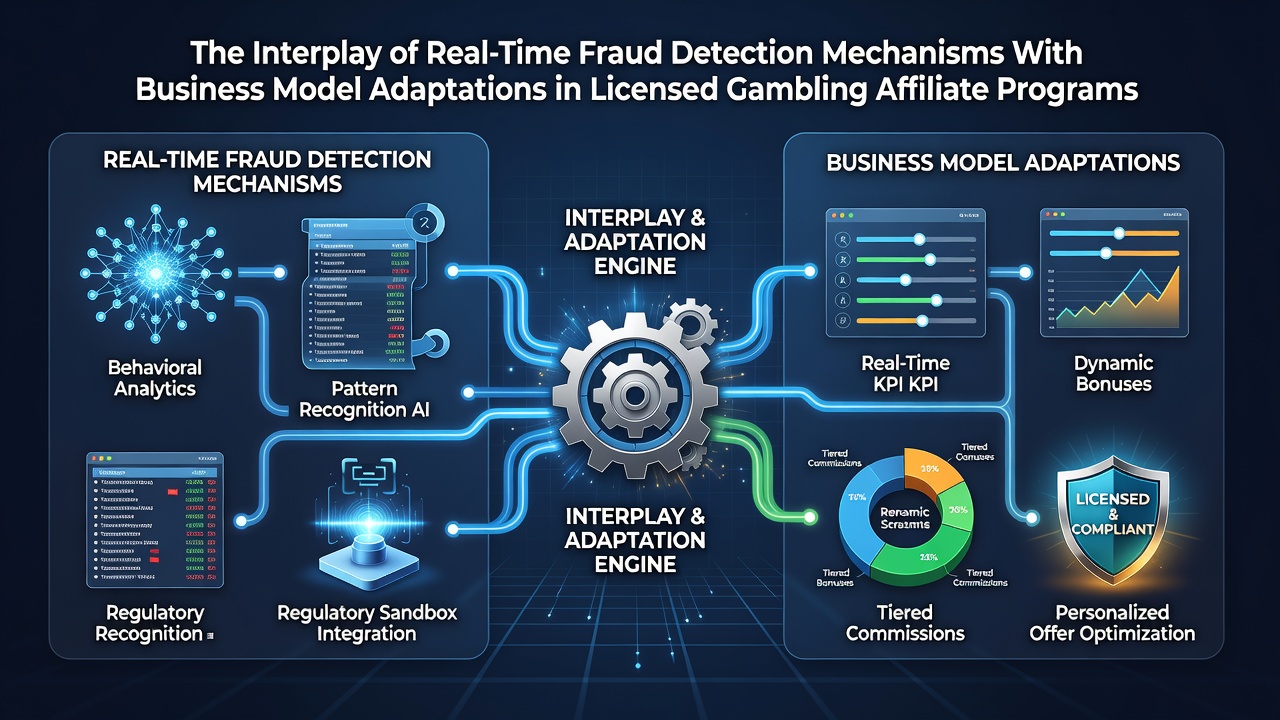
Real-time fraud detection systems now sit at the core of licensed gambling affiliate programs, where transaction monitoring tools scan player activity across multiple channels and flag anomalies within milliseconds, while affiliate networks respond by recalibrating commission structures and partnership terms to reflect emerging risk profiles. These systems rely on machine learning models that process data streams from deposits, withdrawals, and click patterns, and operators in jurisdictions such as Nevada and Ontario have documented measurable drops in chargeback rates after deployment. Data from the Nevada Gaming Control Board shows that affiliates operating under real-time protocols recorded a 17 percent reduction in disputed transactions during the first half of 2026.
How Detection Tools Operate Inside Affiliate Ecosystems
Affiliate programs feed live data feeds into centralized monitoring platforms that cross-reference device fingerprints, IP clusters, and betting velocity against historical baselines, and this continuous analysis allows platforms to pause payouts or adjust traffic sources before losses accumulate. When patterns deviate from established norms, automated alerts trigger manual reviews, and program managers then apply tiered restrictions that limit exposure without severing entire partner relationships. Observers note that such layered responses preserve revenue flow while containing fraud, particularly in multi-jurisdictional setups where one affiliate may route traffic through several licensed markets simultaneously.
Business Model Adjustments Triggered by Detection Outcomes
Revenue share agreements evolve in response to fraud signals, shifting from flat percentages to risk-weighted formulas that incorporate chargeback ratios and player quality scores, and these adaptations appear in updated contracts rolled out across European and North American networks during 2026. Some programs introduce performance bonds or escrow holds that release funds only after sustained low-risk periods, while others diversify traffic sources by weighting payouts toward affiliates whose audiences demonstrate verified geographic compliance. The Alcohol and Gaming Commission of Ontario reported in its September 2026 compliance summary that affiliates adopting these variable models maintained higher average player lifetimes compared with those using static terms.
Regulatory Pressures Shaping Joint Adaptations
Licensing authorities require documented fraud controls as a condition of continued operation, and affiliate programs must demonstrate that detection mechanisms feed directly into business decisions rather than remaining isolated technical functions. In October 2026, updates to multi-state compacts in the United States emphasized that revenue models must align with audit trails produced by real-time systems, prompting several major networks to publish revised partner guidelines. These guidelines specify data-sharing obligations and set thresholds that automatically downgrade commission tiers when fraud indicators exceed defined limits, creating a direct operational link between detection outputs and financial arrangements.
Case Examples of Integrated Responses
One network operating across Canadian provinces and select U.S. states introduced a dynamic tier system in mid-2026 that recalculates affiliate earnings weekly based on aggregated fraud scores, and early results indicated sustained traffic volumes alongside lower dispute ratios. Another program in the Australian market adjusted its cookie-duration policies after detection tools revealed clusters of bonus abuse originating from specific referral domains, shortening attribution windows and reallocating budget toward partners with cleaner traffic histories. Researchers tracking these changes found that the interplay between detection speed and contractual flexibility reduced overall program leakage by measurable margins within three months of implementation.
Technical and Contractual Feedback Loops
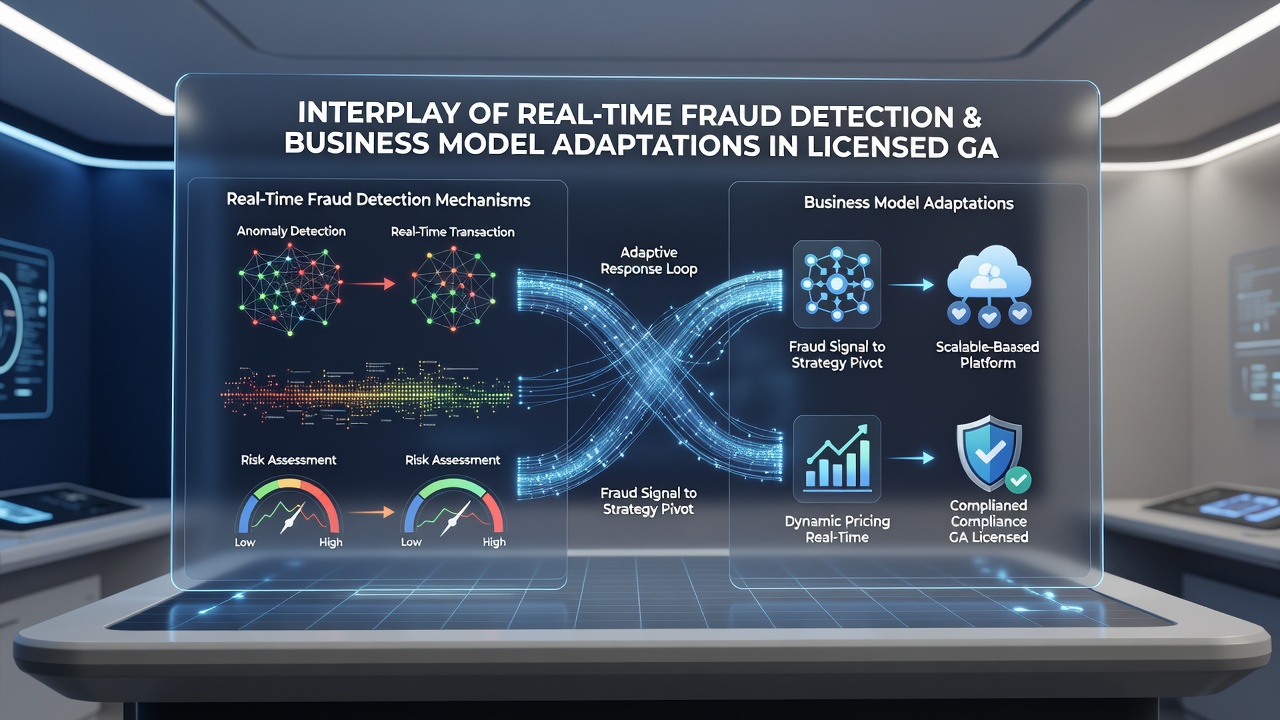
Detection platforms generate datasets that feed into contract revision cycles, and program operators use those datasets to negotiate performance clauses that reward affiliates for maintaining low-risk profiles over extended periods. This creates iterative loops where improved detection accuracy leads to more precise model adjustments, and the adjustments in turn generate cleaner data for subsequent detection cycles. Those who manage affiliate portfolios report that such loops shorten the time between identifying a vulnerability and implementing mitigating contract language from weeks to days.
Conclusion
The ongoing integration of real-time fraud detection with adaptive business models continues to define operational standards for licensed gambling affiliate programs, as detection outputs directly inform revenue structures and regulatory compliance requirements. Programs that maintain tight linkages between these elements demonstrate measurable resilience against emerging fraud vectors while satisfying oversight demands across diverse jurisdictions. As monitoring technologies advance and contractual frameworks grow more responsive, the interplay between detection mechanisms and model adaptations is expected to remain a central feature of program management through the remainder of 2026 and beyond.