Licensing Variations Shape Promotional Tactics in Gambling Technology Partnerships
Written by Anna Hughes · Sep 12, 2026
Licensing Variations Shape Promotional Tactics in Gambling Technology Partnerships
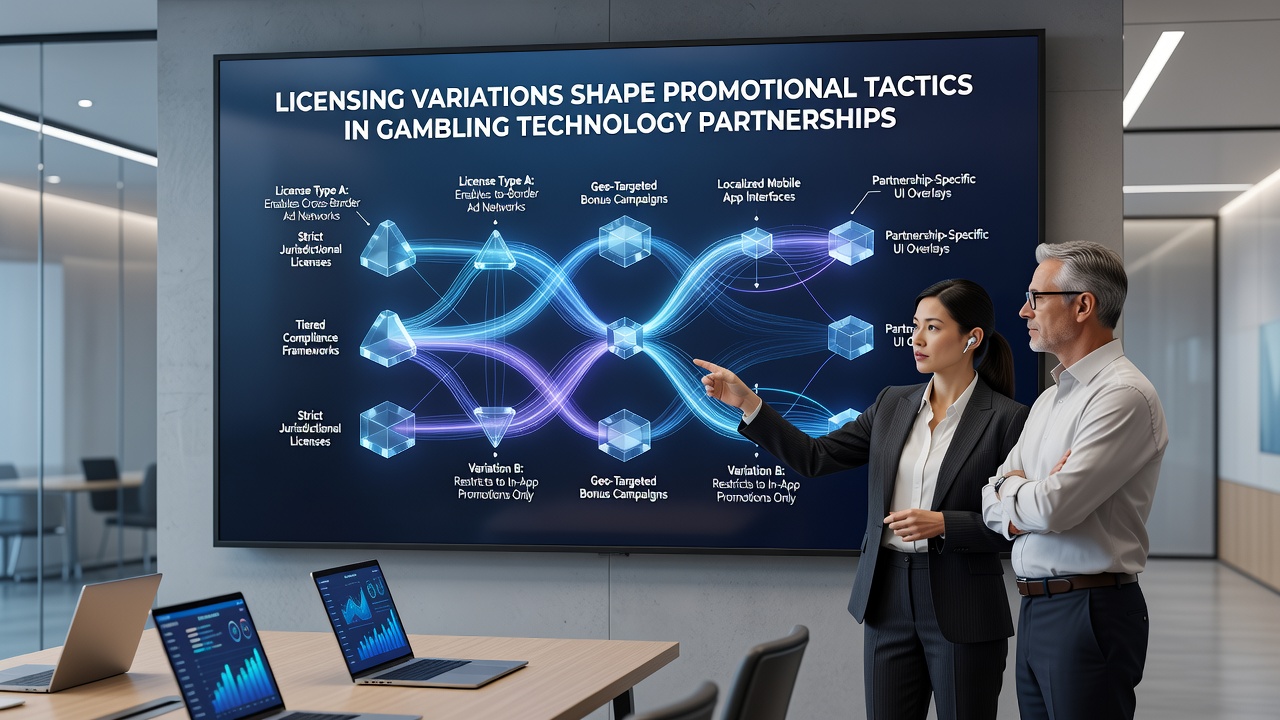
Licensing frameworks across different jurisdictions create distinct requirements that directly influence promotional strategies in gambling technology partnerships, and operators along with software providers adjust their approaches based on those rules. Data from regulatory filings shows that states and countries impose varying standards on advertising, bonus structures, and affiliate promotions, which forces partners to customize campaigns rather than apply uniform tactics. Researchers have tracked these shifts through industry reports, revealing patterns where stricter licensing leads to narrower promotional scopes while more flexible systems allow broader marketing experiments.
Regional Licensing Differences Drive Custom Strategies
North American jurisdictions demonstrate clear contrasts in how licensing shapes promotions, with Nevada maintaining detailed oversight on player incentives while New Jersey permits certain digital marketing flexibilities under its Division of Gaming Enforcement guidelines. Those who study these systems note that partnerships between gaming platforms and affiliates often redesign bonus offers to comply with local caps on free spins or deposit matches, and this recalibration happens before any campaign launch. In contrast, Canadian provinces such as Ontario enforce specific disclosure rules through the Alcohol and Gaming Commission of Ontario, requiring partners to embed compliance language into every promotional message distributed via apps or websites.
European markets add another layer, where Malta-based licensing and similar frameworks in other EU states tie promotional content to responsible gaming mandates that limit targeting methods. Technology providers respond by building modular systems that switch promotional elements based on user location data, ensuring campaigns stay aligned with each license's terms. Figures from 2025 regulatory summaries indicate that such adaptations reduced non-compliant promotions by measurable margins in multi-jurisdictional deals.
Technology Adaptations in Partnership Models
Gambling software companies now integrate licensing checks into their core platforms, allowing real-time adjustments to promotional displays when users cross into new regulated areas. One partnership between a major platform and several state-licensed operators introduced geo-specific bonus engines that automatically alter offer terms, and this approach emerged after licensing updates took effect in multiple regions. Observers note that these tools help maintain revenue share agreements by preventing violations that could trigger audits or fines.
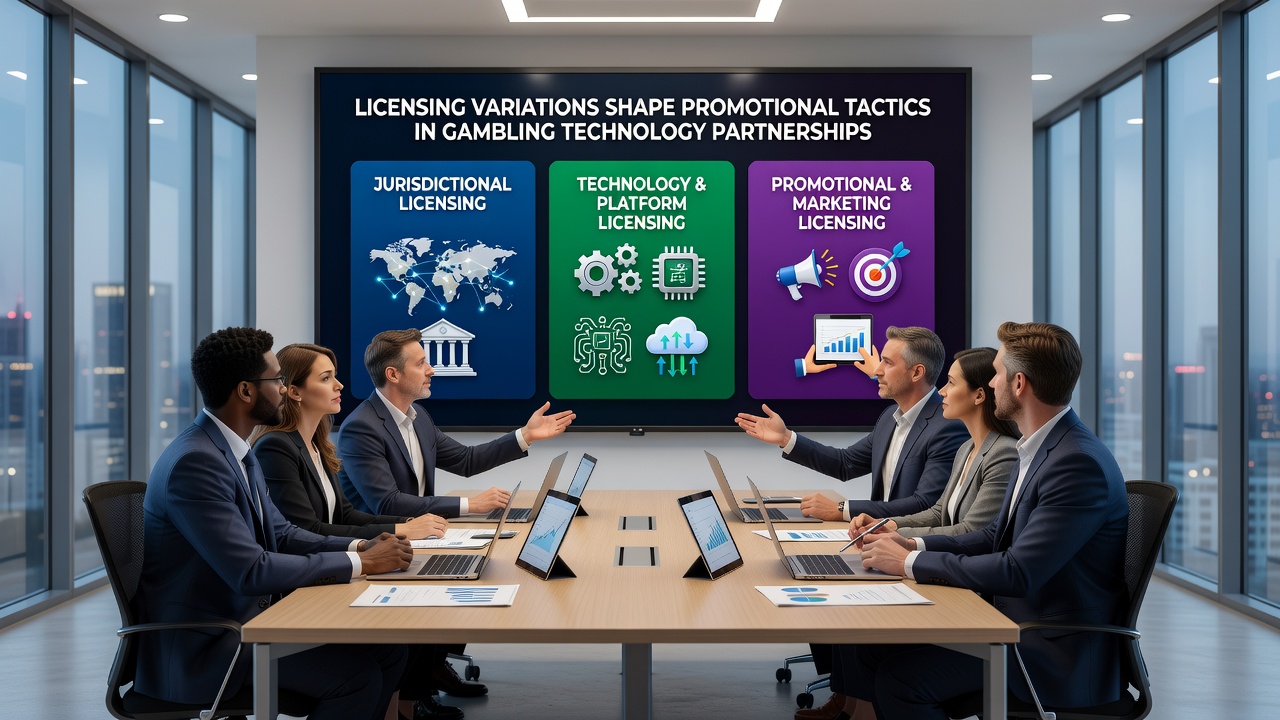
September 2026 brought additional licensing clarifications in several U.S. markets that prompted further refinements to affiliate tracking systems. Partners incorporated new data fields to log compliance at the point of promotion delivery, and this change streamlined reporting for revenue splits across borders. Studies from academic sources on gaming regulation show that such technical integrations correlate with steadier partnership performance when multiple licenses are involved.
Promotional Tactic Adjustments Across Borders
Affiliates working within licensed networks frequently modify their content calendars to match jurisdiction-specific rules on player acquisition methods. For instance, partnerships serving Australian markets must align with oversight from bodies like the Australian Communications and Media Authority, which restricts certain bonus advertising formats and requires clear terms on every linked offer. Technology partners supply templates that flag restricted phrases or imagery, reducing the risk of license breaches during campaigns.
Those who manage cross-border deals report that licensing variations also affect timing of promotions, with some regions prohibiting aggressive pushes during specific periods while others allow continuous outreach. Software updates in 2026 enabled automated scheduling that respects these windows, and data indicates higher retention rates when promotions stay within approved parameters. Research institutions tracking these trends have documented how customized tactics preserve both compliance and partnership revenue flows.
Future Alignment in Evolving Frameworks
Partnerships continue to refine their promotional architectures as licensing bodies introduce incremental changes, and technology providers supply the infrastructure that supports quick pivots. Evidence from industry analyses points to increased use of compliance layers in revenue models, where promotional success metrics incorporate regulatory adherence alongside player engagement numbers. This integration helps sustain long-term collaborations across diverse licensing environments.
Conclusion
Licensing variations remain a central factor in how promotional tactics develop within gambling technology partnerships, and ongoing regulatory shifts require continuous technical and strategic responses. Data and regulatory records demonstrate that successful partnerships embed compliance into every stage of campaign design, from initial targeting through final delivery. Those monitoring these developments expect further refinements as new licensing standards emerge in additional markets.